The ocean can become a fascinating classroom long before a child ever steps onto a beach. A map, a story, a simple science experiment, or even a conversation about the plastic used at home can open the door to learning about marine life and ocean conservation.
For parents and teachers looking for fun ways to teach kids about oceans, the key is to make the subject feel connected to everyday life. Children in the 8–12 age range are especially ready to ask questions, explore how things work, and think about how their choices affect the world around them.
Ocean education also gives adults an opportunity to introduce environmental responsibility in a way that feels positive and manageable. Instead of presenting the ocean as a problem children need to solve, activities can help them discover why marine life matters and what they can do to care for it.
Here are several simple ideas that work at home, in the classroom, or even during a family trip to the beach.
1. Turn the Ocean Into a Map Adventure
You do not need to live near the coast to start exploring the ocean. Pull out a world map or globe and choose a few places connected to the sea. Children can find the Atlantic and Pacific Oceans, locate major coastlines, and trace the journey from their own community to the nearest ocean.
Make the activity more interesting by giving children a question to investigate. Where does a particular sea animal live? Which ocean would you cross to reach another country? What kinds of habitats might be found near a coral reef, a sandy beach, or a deep-sea environment?
For younger students, drawing and labeling an ocean map can turn geography into a creative project. Older students can research a marine animal and mark its habitat on the map.
At home, families can make a small “my ocean discoveries” page where children record interesting facts they find. The project can grow over time as they learn about whales, sea turtles, seabirds, coral reefs, and other marine life.
This approach makes ocean learning feel like exploration rather than a traditional lesson.
2. Create an Ocean Animal Research Challenge
Children naturally have animals they find fascinating, so use that curiosity as the starting point for learning.
Let each child choose one ocean animal to research. A student might choose a sea turtle, while another chooses a shark, octopus, dolphin, penguin, or seahorse. Ask them to discover where the animal lives, what it eats, and what makes it well suited to its environment.
The final project can take several forms. Students might create a fact sheet, draw the animal and its habitat, or give a short presentation to the class.
You can also turn the activity into a guessing game. One child gives clues about an animal while everyone else tries to identify it. This works particularly well in classrooms because it allows students to learn from one another.
Once children understand more about an animal, introduce the idea of protecting its habitat. This creates a natural connection between learning about marine life and understanding ocean conservation activities for kids.
3. Make a Plastic Detective Game
Plastic is part of everyday life, which makes it an easy subject to explore at home or in class.
Rather than beginning with frightening statistics, ask children to become “plastic detectives” for a day. Have them look around the house or classroom and identify items made from plastic. They can record what they find and then think about which items are used once and which can be used again.
The goal is to encourage observation and thoughtful choices. A family might discover that reusable water bottles, lunch containers, shopping bags, or food storage options could replace some disposable items.
Teachers can adapt the same idea into a classroom challenge. Students can look at the waste produced during one school day and discuss where some of it might go after it leaves the classroom.
This activity can also lead into plastic free kids activities that feel achievable. A reusable bottle challenge, for example, gives children a practical way to think about reducing unnecessary waste.
If you want to introduce the topic through a story first, Sullie Saves the Seas by Goffinet McLaren offers another approachable way to talk about plastic pollution and caring for marine life.
4. Bring Ocean Science Into the Classroom
Ocean learning becomes much more memorable when children can see an idea happening in front of them.
Simple science activities can introduce concepts such as floating and sinking, water movement, erosion, and the properties of different materials. For example, students can place safe household objects into a container of water and predict what will float before testing their ideas.
Another activity is to create a simple model of waves using a shallow container of water. Students can observe what happens when they gently move the water and then discuss how waves interact with beaches and objects in the water.
Teachers can also connect these experiments to questions about ocean pollution. What happens when something that floats reaches a body of water? Where might it travel? What could happen if it remains in the environment?
These questions encourage children to think scientifically while building a basic understanding of ocean pollution for kids.
The activities do not need expensive equipment. Everyday materials and a little curiosity can turn a classroom table into an ocean science station.
5. Read an Ocean Story and Talk About It
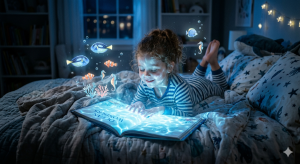
Books can make ocean education more personal because children experience the subject through characters, settings, and stories.
A good ocean book for kids can introduce a marine environment while giving children something emotionally meaningful to discuss. After reading, ask questions that encourage conversation rather than testing whether they remembered every detail.
You might ask:
- Which part of the ocean world did you find most interesting?
- Which animal would you want to learn more about?
- Was there a character’s choice that made you think differently?
- What could families or schools do to care for the environment?
For a classroom read-aloud, Sullie Saves the Seas can open a conversation about courage, teamwork, environmental responsibility, and empathy. The story follows Sullie the Seagull as she encounters plastic pollution at Turtle Beach, giving young readers an adventure through which they can explore a real environmental issue.
You can also pair a story with another activity. After reading, students could draw Turtle Beach, create an ocean animal fact sheet, or write about one small action they could take to care for their local environment.
For more ideas about using stories to build connections with nature, explore our guide to nature-based storytelling for kids.
6. Have an Ocean-Themed Art Day
Art gives children another way to process what they are learning.
Ask students to create an ocean scene using drawing, painting, collage, or recycled materials. They might design a coral reef, illustrate an ocean animal, or create a picture showing a healthy beach.
A particularly useful classroom project is an “ocean before and after” illustration. One side can show a clean, thriving marine environment, while the other shows how litter can affect a beach or ocean habitat. The discussion afterward can focus on what people can do to protect the environment.
At home, parents can turn the activity into a weekend project. Children could create handmade ocean decorations, design an imaginary underwater world, or make a poster encouraging their family to reduce waste.
These projects work especially well around Earth Day or World Ocean Day on June 8, when families and schools are already looking for ways to connect environmental themes with creative activities.
7. Take Learning Outside
Ocean education does not have to happen beside the ocean.
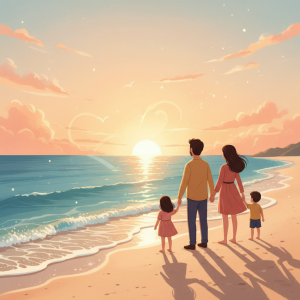
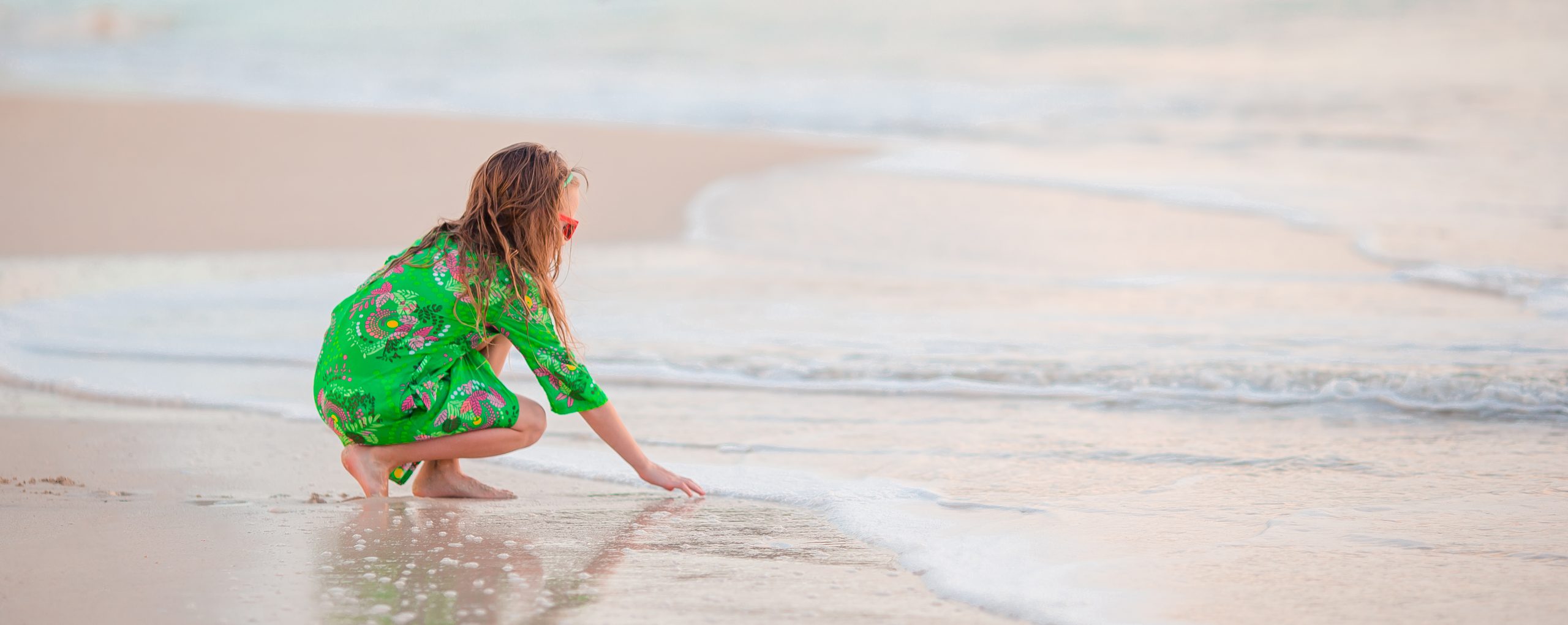
If your family lives near a beach, plan a walk that includes time for observation. Children can look for shells, birds, plants, tracks, and other signs of life while discussing how different parts of the environment connect.
A beach visit can also become a simple cleanup activity. Give children gloves and appropriate collection tools, follow local safety guidance, and make sure an adult supervises the activity. Instead of focusing on how much litter they collect, encourage them to notice what types of waste they find.
Families who live far from the coast can explore a local pond, lake, river, or nature area. The goal is to help children recognize that water environments are part of a larger natural system.
This can be a useful introduction to marine conservation for kids classroom lessons because students begin to see environmental care as something connected to the places they already know.
8. Start an Ocean Question Jar
Children’s questions can become the lesson plan.
Keep a jar in the classroom or at home and invite children to write down anything they wonder about the ocean. They might ask why whales migrate, how sea turtles find their way, why seawater is salty, or what happens to litter after it reaches a river.
Choose one question each week to investigate together.
This activity gives children ownership of their learning. It also makes it easier for parents and teachers to follow their interests instead of trying to cover every ocean topic at once.
You can make the questions part of family dinner conversations, morning classroom discussions, or a weekly research assignment. The question jar also works particularly well with books. If a child encounters something surprising in an ocean story, add that question to the jar and investigate it later.
9. Connect Ocean Lessons to Everyday Choices
One of the most effective ways to make environmental education meaningful is to connect it to decisions children see every day.
Talk about what happens to a water bottle after it has been used. Discuss why someone might choose a reusable lunch container. Ask children what they notice about packaging when they go grocery shopping with their family.
The conversation can remain simple. Children do not need to feel responsible for solving a global environmental problem. They can learn that everyday choices have consequences and that caring for the environment is something people can practice together.
Teachers can extend this into a classroom challenge where students choose one realistic change for a week and reflect on how it went.
This approach turns ocean conservation from an abstract idea into something children can understand through their own routines.
Make Ocean Learning Something Kids Look Forward To
The most successful ocean lessons often begin with curiosity. A child sees a picture of a sea turtle, asks where it lives, reads a story about the ocean, and suddenly wants to know more. That curiosity can lead naturally into science, geography, reading, art, and environmental education.
Whether you are planning fun ways to teach kids about oceans at home or building a larger unit for your classroom, you do not need complicated materials or elaborate lessons. A good story, an interesting question, or a simple hands-on activity can give children a reason to care.
Books are especially useful because they allow children to enter an ocean world through characters and experiences. Sullie Saves the Seas gives families and teachers a hopeful way to introduce plastic pollution while encouraging courage, teamwork, empathy, and environmental responsibility.
Ready to bring an ocean adventure into your home or classroom? Explore Sullie Saves the Seas and find a simple starting point for your next ocean lesson.